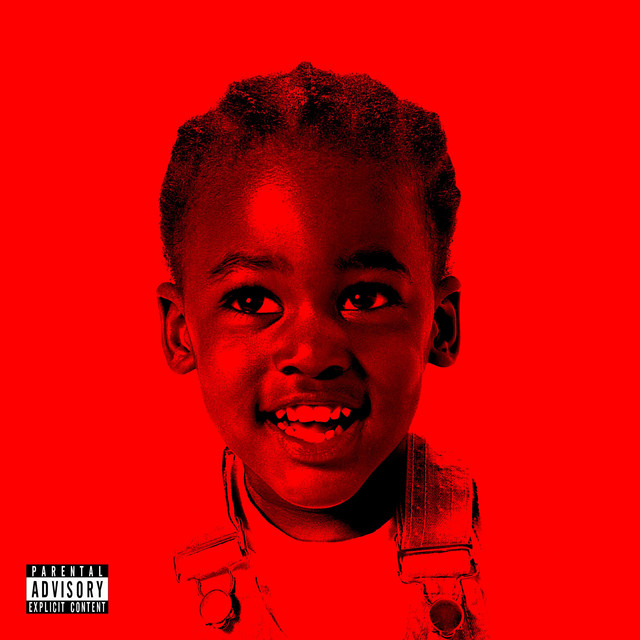
West London’s Bashy emerged amongst the brewing Grime scene in the early 2000’s (with his Chupa Chups themed mixtape, Bashy.com project and other early indicators of branding prowess), as a juxtaposition to the street-orientated or more aggressive style & sound that was generating much attention and fanfare, from his famous battle with Ghetts, genre-evolving tracks with the likes of Naughty Boy and Big Narstie, to creating one of the greatest songs ever, Black Boys, a cultural staple. Continuing to evolve in a transitioning industry, from working as Assistant Music Supervisor on the Adulthood movie soundtrack in 07/08, with it’s lead single, to his own 2009 game-changer, Ransom featuring Wretch 32 & Scorcher, displaying a more artistic and cinematic approach (also considered as the seed from which bloomed the Top Boy universe), followed by the upbeat Millionaire and the introspective Life, leading to the release of his album, Catch Me If You Can. Ironic, as around that time, he transitioned further into acting (with movies such as Shank and the theatrical Markus the Sadist in 2010), though he did feature with the Gorillaz, and put out a couple EPs, not long before starring in the now cult-classic Top Boy, disappearing from music altogether. With a multitude of roles now under his belt as Ashley Thomas, reprising his role in Top Boy’s Netflix resurgence, as well as casted in the latest adaptation of A Great Expectation, the now established actor returns back after 15 years as Bashy with this art-piece of an album, Being Poor Is Expensive.
Whilst Bashy’s jovial aura, bright colours and the shiny ‘B’ earrings helped the young artist stand out, it was his unique perspective of the times that shone light on his artistry, last heard on Catch Me If You Can, with a heavy dose of soul, cultural elements, nostalgia and political themes, however, it may not have been as sustainable in a year that Dizzee released Dance Wiv Me (ft. Calvin Harris) and Bonkers, just before Tinie Tempah and Pass Out. CMIYC felt like it was tailored to the times, whereas with Being Poor Is Expensive, it just feels like a perfectly crafted medium of expression, true to it’s message, coming of age, a beautiful ode to his Windrush heritage, growing up in multicultural London, to still manoeuvring through recurring negatives amidst success.
A concise eleven tracks, starting with The London Borough of Brent, a love letter to the ends, complete with it’s British transport ad-libs, it sets the tone, as he paints the parallels of his success and the misfortune of school mates, “some will break, some break through”, feeling righteous very early as he harmonises, “drugs ain’t cool”, which he quickly follows up with, “but the place where I’m from, people want a space to escape to”, leading into a barrage of compassion and empathy, further accentuated by the choirs, this is only the first track and he’s rhyming taxes, the negative outcome of gangs and the statistical risks Black women face during childbirth. Still in awe of that intro, track two Sweet Boys Turned Sour begins, with Bashy rapping off rip, a blend of childhood nostalgia as the beat drops, over a lighter yet more upbeat production, as he vividly describes the various examples we can go astray, “I’m showing you how, good youts turn foul, soft kids turn shower, I’m telling you how, sweet kids turn sour”. It’s such a picturesque and shared view of inner city London, a great representation that all generations can relate to, as he sympathetically shows understanding of simply growing up and the vulnerability of innocence, prejudice and bullying, that can lead to knife-crime, rather viewing it as a weak decision and glorifying his inability to do so, reminiscing how fortunate for both that it didn’t happen, a much needed contrast within our art today and ultimately life. Only two tracks in and wow, but they were merely appetisers to the title track, sampling Dennis Brown’s Let Me Down Easy, providing a soft base upon which he weaves words of the harshness of reality, with more North West homage, depicting confidence and a form of success-guilt as a black man, drawing the lines between success and tragedy, “Could be a John Boyega or a Damilola”, such a powerful statement on such production says a lot about the thoughts and feelings he’s accumulated over these years that really help define the overall theme of the album.
Track 4, On The Rise, flips the sound, allowing him to flow distinctly over the abstract beat, with Bashy’s classic artistic approach to storytelling, including the beat switch, morphing it into a backpack rap feel, that should definitely translate well live. Much like Blessed, featuring WSTRN’s Haile and (the underground king) Skrapz, possibly the more popular single off the album, understandably with a broader appeal and the legendary MJ Cole – Crazy Love sample, it still stays in context without feeling repetitive. Followed by, Made In Britain, which starts with Bashy’s nan (bless her) delivering a beautiful prayer for her grandchildren, transitioning into this modern-reggae vibe, before the bass kicks in and things by my speakers started falling. As someone that heralds the ancestors and the struggles of those before us, this track is amazing, being fed up of the continuous prejudice, I relate to this song heavily, but from the hard work and struggles of his grandparents, to himself and Kano driving two Mercedes out the dealership, wishing his Grandad could have seen it, it’s these inspirational nuances sprinkled throughout the album that balance the theme. “Survival in our DNA, give a fuck about a VMA, stolen goods up in the V&A”. Bashy isn’t one to be vocal on socials, so to get his stance on things through these expressions adds to the project’s quality, giving the album such depth.
The concurrent foundation continues with How Black Men Lose Their Smile, the title alone omits so much power and emotion, as Bashy shares the systematic struggles that contribute to us losing our smiles, and ultimately our joy over the years, with stories of the men before him and relating to their struggle, detailing the many factors that hinder where help was needed. At this point the album has transitioned genre and feels like a theatre play, “System set up for me to fail, didn’t share features with my teachers, that has affects on your sense of self, that has effects on mental health”, this level of poetry and content cuts deep, I might have shed a tear on my first listen, pushing this beyond a song or music, as some of the realest emotions artistically expressed, that I don’t even think a review could validate. If I was to force a critique, it could be that it overshadows the remaining tracks, however, the activism that binds this album together is cemented with, Lost In Dreams featuring Roses Gabor, a definitive Bashy performance, portrayals of systematic oppression, further delving into police brutality and racism, paying homage to Mark Duggan and Stephen Lawrence. This notion is accentuated on the upbeat, Sticky, displaying the lows and highs as he reminisces on his journey thus far, expressing the early struggles to maintaining integrity through his current successes. With the album drawing to a close, as if he hasn’t poured enough, he delivers heavy on the introspective Earthstrong, sharing thoughts and regrets that most contain within, before closing the album out with Midnight In Balans, (flipping the Soul II Soul classic) he concludes the journey thus far with all the wisdom gained, from enjoying the fruits of his labour to dealing with losses, a personal touch to what has been an incredible offering of growth, aspirations and most of all, unapologetically black.
I didn’t get around to listening to the album well after he had won his MOBO award for it, I even noticed the American media personality Wallo praise it on socials, but nothing had me prepared for the audio masterpiece that was to follow. Is it Grime? is it Gospel? is it Rap? What I do know, that it is definitely one of the most monumental pieces of art to come out of England. Together with Toddla T, the two created a culturally authentic, stellar body of work, with an array of musicality that shows love to the sounds before and helps elevate the message.
Since it’s release, Bashy performed the album live in it’s entirety, truly emphasising the message, including a spoken word rendition of That’s How Black Men Lose Their Smile, which I feel justifies my sentiment and review of this album.
To release an album after 15 years, as an established actor, it clearly isn’t a money grab, there’s thought and intention in this project, all these experiences throughout the journey, playing these different characters, maybe his own story felt somewhat untold and that’s where the substance of this album is abundant.